Chaplaincy Events
-
4/28Sunday10:00 am – 12:00 pm EDT/GMT-4
Church of St John the Evangelist,1114 River Road, Barrytown -
4/28Sunday12:00 pm – 2:00 pm EDT/GMT-4
Chapel of the Holy Innocents -
4/29Monday6:00 pm – 7:00 pm EDT/GMT-4
Center for Spiritual Life Buddhist Meditation Room -
4/30Tuesday7:00 pm – 8:00 pm EDT/GMT-4
Albee -
5/01Wednesday5:30 pm – 6:30 pm EDT/GMT-4
Albee Basement (Chaplaincy)
What We Do
We offer spiritual support for all students and members of the Bard community. We provide ways to explore faith academically, often with a focus on social issues, and always with an emphasis on diversity and openness. We are available for pastoral counseling and conversation. We value the varied ways students can explore faith academically and spiritually. Each chaplain also offers religious services and/or opportunities to deepen students’ faith and build community. All are invited to learn more about the diverse perspectives of Buddhism, Christianity, Hinduism, Islam, Judaism, and other traditions. We work closely with the Student Counseling Service, Student Health Service, Office of the Dean of Students, and others in the Bard community who focus on the physical, mental, and spiritual well-being of students, faculty, and staff. The Chaplaincy employs a diverse staff of chaplains to meet the varied spiritual needs of the College. All chaplains are available to provide pastoral care and support for the entire Bard community.
Meet Our Chaplains
The chaplaincy currently includes the Chaplain of the College (an Episcopal priest), a Jewish chaplain (rabbi), a Buddhist chaplain (Zen priest), and a Roman Catholic chaplain (priest), as well as a team of chaplain interns. The chaplains are available to meet with students, staff, and faculty in times of crisis or whenever an attentive and sympathetic ear is needed.
-
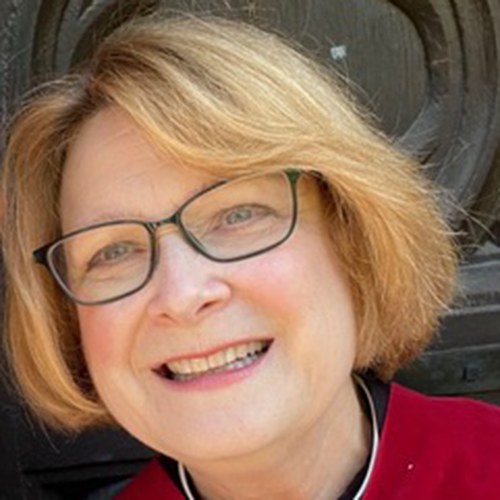 Mary Grace Williams
Mary Grace Williams
The Rev. Mary Grace Williams, chaplain of the College and dean of community life, came to Bard in 2016 and has taught First-Year Seminar every semester since the 2018 spring semester as well as other courses in religion and the Bible. She received her BA from Rutgers University where she studied theater arts, which led her to move to New York City directly after college to pursue a career in theater. While living in the West Village, she rediscovered her deep interest in spirituality and religion and that inspired her to do a MA in religious education from Fordham University. Eventually this led her to seek ordination as an Episcopal priest, and she attended Yale Divinity School, where she earned a MDiv. Mary Grace has two daughters: Grace, who is currently in medical school in New York City, and Kate, who graduated from Bard in 2020 as a double major in human rights and dance and who now lives in Brooklyn performing and designing and creating clothing. Mary Grace lives in Rhinebeck and has three Cavalier King Charles dogs (Harry, George, and Charles).
-
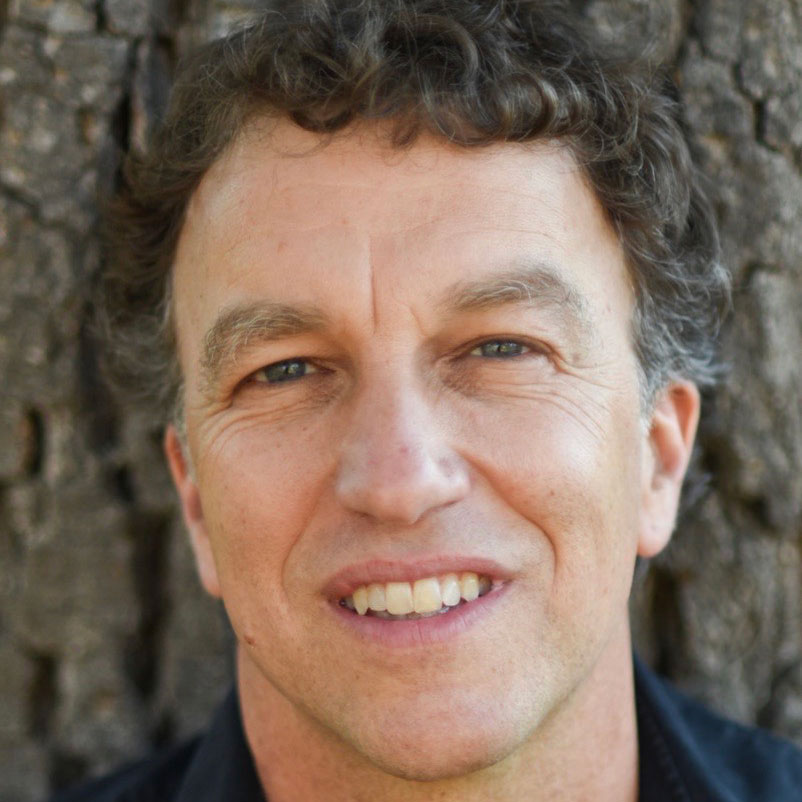 Joshua Boettiger ’96
Joshua Boettiger ’96
Joshua Boettiger ’96 began at Bard in the fall of 2022 after spending the previous nine years serving a congregation in Ashland, Oregon. He was ordained through the Reconstructionist Rabbinical College in 2006 and received his master of fine arts in creative writing (poetry) from Pacific University in 2018. He is a Bard alumnus of the class of ’96, a Rabbis Without Borders fellow, and in the larger community continues to teach meditation and Mussar—Jewish approaches to mindfulness and service. Joshua is excited to be back at Bard with his wife, Vanessa, and their 10 year old daughter, Paloma—and to work as part of the interfaith chaplaincy.
-
 Jim Hess
Jim Hess
Jim Hess joined the Chaplaincy team in the fall of 2023. Jim is a member of the Carmelite Order and was ordained a priest in 1976. He graduated from the University of Maryland in Jewish Studies and went on to attend the former Washington Theological Union where his concentration was on Systematic Theology and Pastoral Care. Jim has served as a pastor, educator, retreat director, and seminary formator, and is drawn to Bard’s commitment to critical thinking, social engagement, and the arts.
-
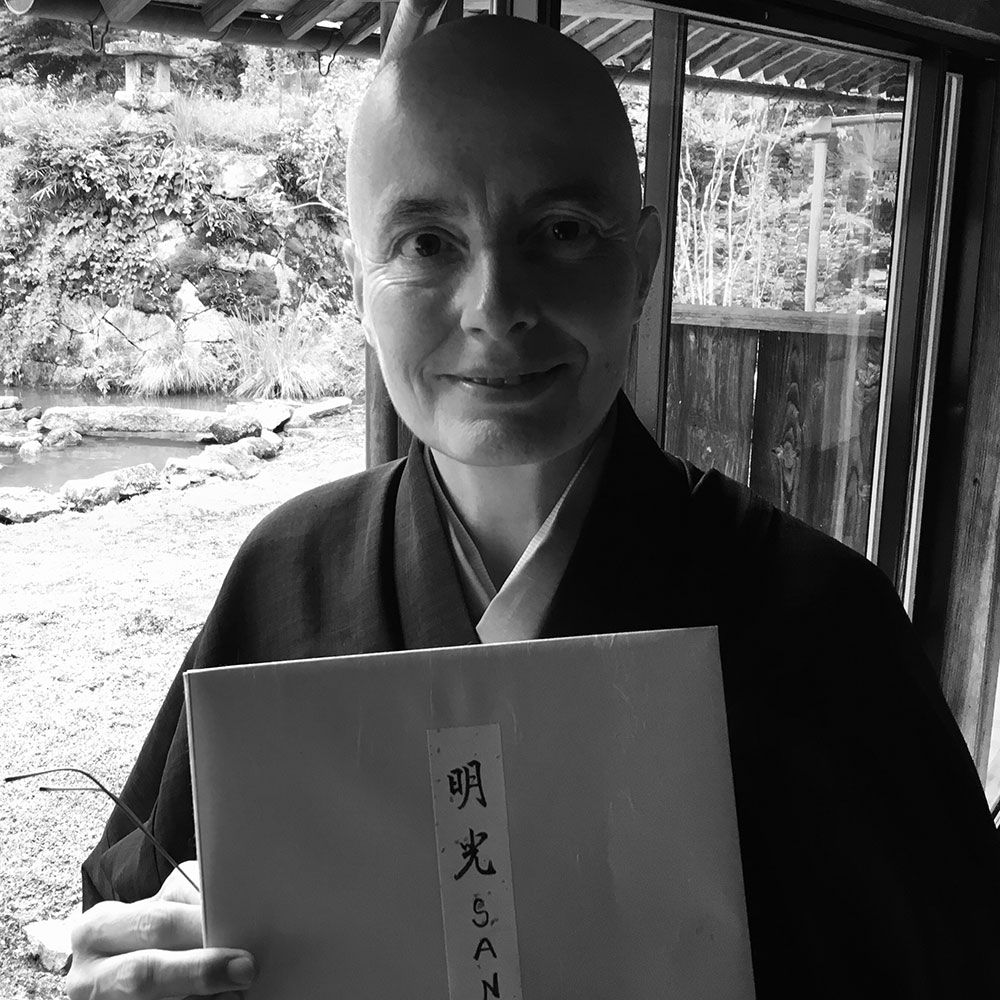 Tatjana Myoko von Prittwitz und Gaffron
Tatjana Myoko von Prittwitz und Gaffron
In September 2017, Tatjana Myoko von Prittwitz und Gaffron was ordained by her Soto Zen teacher Seido Suzuki Roshi at Toshoji, Okayama prefecture, Japan. The outward manifestation of her monastic calling was the result of 20 years walking the Buddhist path, practicing as a lay person mainly with her first Zen teacher, John Daido Loori, founder of Zen Mountain Monastery, Mt. Tremper, New York, which Suzuki Roshi helped build up in the 1980s. She subsequently completed a three-year residential training at Toshoji, being appointed shusso, master disciple, in the summer of 2019. In September 2020, Tatjana returned to Bard, where she founded the Bard meditation group in 2001, in response to September 11—wishing to share even more deeply the beauty, simplicity, and freedom of the Zen teachings.
The weekly meditation group (Monday and Thursday evenings), Q&A sessions, private encounters, and awareness workshops (her main interests are the Zen arts with sumi-e ink drawings, haiku, and chanoyu, tea ceremony) are offerings to facilitate an experience that you can equally learn to trust your own Buddha nature. Learning to rest in the moment can be an eye-opening insight as your burden lifts and your mind opens as wide as the wonders of this world. Any necessary ecological, social, or political engagement comes from this place of acceptance, so we can move forward with a realistic, but positive outlook. “Please feel whole-heartedly invited and let’s walk this path of liberation together,” she says.




Our Programs
Facilities and Resources
The Center for Spiritual Life
The Center for Spiritual Life is the primary programming space for the Bard College Chaplaincy. Located in the basement of the Village A dorm, it is home to the Buddhist meditation room, the Beit Shalom Salaam House of Peace meeting room, the Muslim Prayer room, the Center for the Study of James, and a Kosher/Halal kitchen.
Chapel of the Holy Innocents
The College chapel was built in 1857 with local oak and stone from quarries across the Hudson River in Ulster County. A gift to the local parish school from John Bard, who later founded St. Stephen’s College, the chapel was dedicated to his son Willie. The structure was rebuilt in 1859 after the original edifice was destroyed by fire.
Resources for Grief
These resources are for those who are experiencing grief from loss and are looking for ways to deal with the hurt and/or pain that accompanies it.
Local Faith Communities
Dutchess County has a vibrant multifaith community. For off-campus resources, please see the list below, compiled by the Bard Chaplaincy.
Contacting the Chaplaincy
Bard College Chaplaincy
PO Box 5000
Annandale-on-Hudson, NY 12504-5000
Phone: 203-858-8800
Email: [email protected]
The Chaplaincy Offices are located in Albee Basement.
The Festival of Lights
The annual Festival of Lights interfaith service, hosted by the Bard Chaplaincy every December.